Start with a flat fold for a restrained straight edge, a one-point fold for a clear peak, or a puff for soft fabric. Fold the square to fit the actual breast pocket, then adjust the visible amount on the jacket. The pocket's width and depth matter more than reproducing a fixed number of folds from a photograph.
For the easiest starting fold, make a rectangle as wide as the pocket and fold the bottom upward until the packet sits at a useful height. Insert it with a narrow straight edge showing. If it sinks or bulges, refold for the pocket instead of pulling more fabric out at the top.
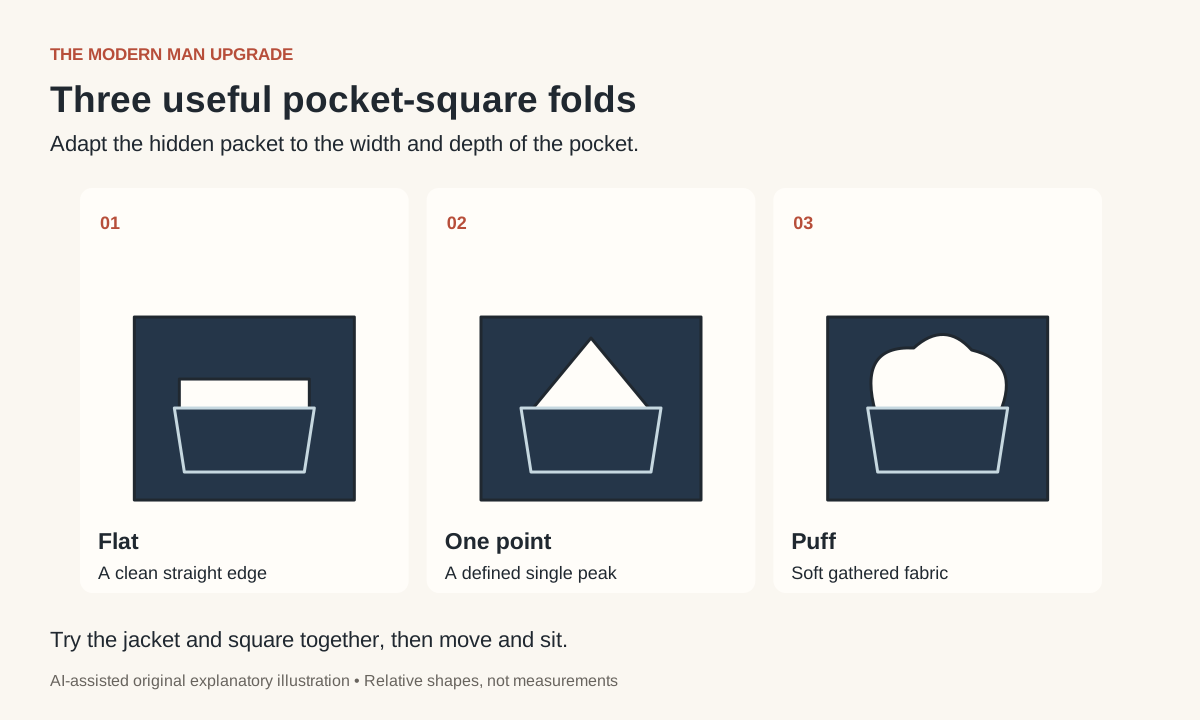
Choose a fold the fabric can hold
Cotton and linen often make clear edges easier to control; a soft square can be easier to gather into a puff. Weave, thickness and finish also matter, so do not choose solely by the fiber name. Lay the square out and see whether a crease stays neat without heavy pressing.
The Tie Bar's folding tutorial distinguishes structured fabrics for square and point folds from flexible fabrics for a puff. Its demonstrations provide a useful starting shape. Adapt the hidden packet to your pocket instead of assuming every square and jacket uses the same dimensions.
Begin with a clean square and an empty breast pocket. Check that the pocket is usable; a new jacket may have temporary basting stitches, which a tailor can remove if you are uncertain. Do not cut into the fabric or pocket lining while trying to open it.
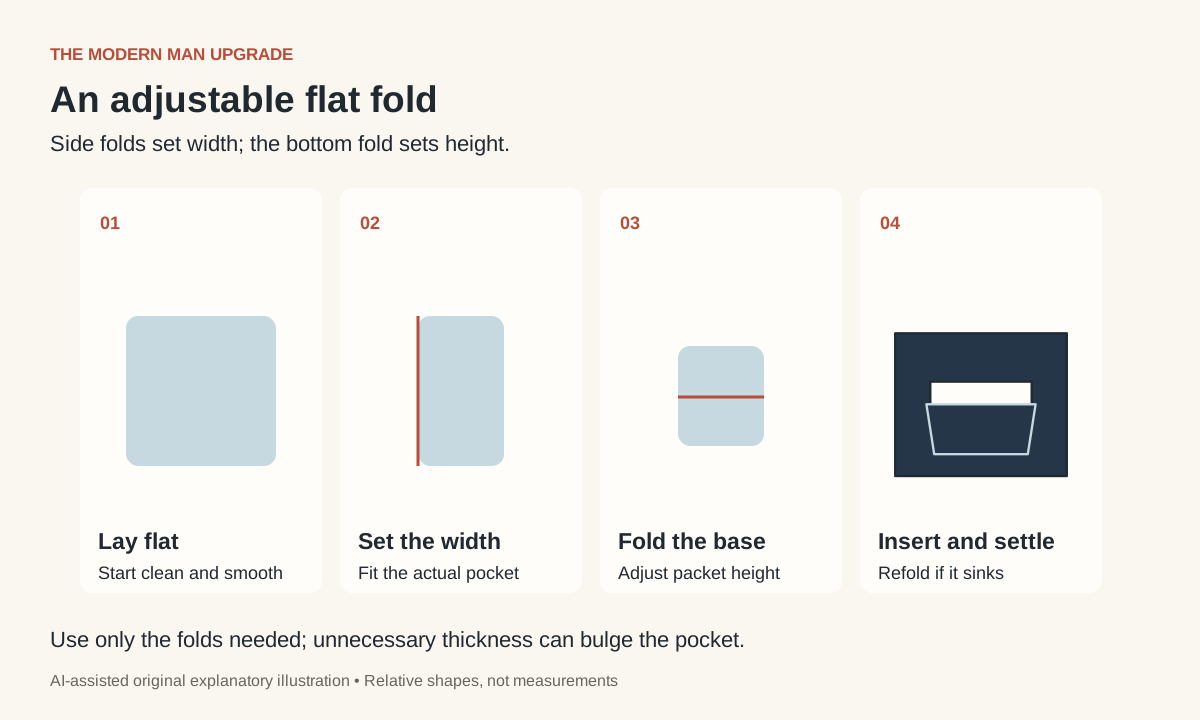
Make an adjustable flat fold
- Lay the square flat and smooth it gently.
- Fold inward from the sides to create a rectangle approximately the width of the pocket. Use additional folds only if the square requires them.
- Fold the bottom upward to create a packet that reaches the pocket base while leaving the top edge visible.
- Insert, settle and adjust the edge. Keep the packet flat rather than crushing it into a thick plug.
This is commonly called a presidential or straight fold. The adjustable approach lets you use a square that is larger than the pocket without chasing an exact sequence of halves. For a quiet finish, expose a narrow straight strip and look at the whole jacket from a normal distance.
Make a one-point fold
Lay the square like a diamond, fold the lower corner up to the upper corner, and keep the triangle's peak at the top. Fold the left and right corners inward to make a packet that fits the pocket. Adjust the bottom if needed, insert, and center the point without creating a bulky base.
A point is a useful option when you want a defined shape but less of a straight uniform edge. Start with one clean peak; elaborate multi-point folds are optional. If the cloth repeatedly collapses, compare a more structured square or switch to a puff instead of adding more hidden folds.
Make a puff with soft fabric
Pinch the center, lift the square, and gather the hanging cloth with the other hand. Fold the ends beneath the rounded top and place the packet in the pocket with the puff showing. Keep it loose enough to look like gathered fabric rather than a tight ball.
The amount of visible fabric is a choice, but it should not interfere with the lapel or dominate the outfit unintentionally. Check it standing naturally, then move your arms and sit. A square that only looks balanced while you hold it still needs a pocket-depth adjustment.
Fix sinking, bulk and an unstable edge
- It disappears: the hidden packet may be too short or too narrow. Increase the base height or width and reseat it.
- The pocket bulges: reduce unnecessary folds, try a smaller or thinner square, or choose a puff that uses the material more naturally.
- The edge tips sideways: check the packet width and base, not just the visible edge.
- It catches when you move: reduce the exposed portion or check interference with the lapel and pocket opening.
For example, a deep pocket with a small slippery square may need a different packet than a shallow pocket with a large cotton square. Test the jacket and square together at home. Avoid using pins or improvised adhesive to compensate before you have tried a better fold.
Choose color and occasion after the fold works
A plain light square is an easy restrained starting point. If you use pattern, repeat a compatible color from the shirt or tie without feeling obliged to buy an identical matching set. These are editorial options rather than compulsory rules. Use the outfit color guide for the broader decision.
The invitation and host still determine the dress code. The wedding guide handles that context. A pocket square cannot make an unsuitable jacket correct, and it is optional in many outfits. If accessories distract from a real fit problem, compare priorities with the free Top 3 filter.
Pocket-square questions
Does a pocket square have to match the tie?
No. Coordination can come from a shared color or compatible contrast. An exact match is a styling choice, not a requirement.
Can I wear one without a tie?
Often, if the jacket and occasion suit it. Keep the collar and overall outfit deliberate, and follow any explicit tie requirement.
Which fold should I learn first?
The adjustable flat fold is a useful first method because it teaches width and height control. Try a puff next if your square is soft.