For a conventional single-breasted jacket while standing, fasten the only button on a one-button front, the upper button on a two-button front, and the middle button on a three-button front. The top of a true three-button jacket can be optional; the lowest stays open. Unbutton a single-breasted jacket before sitting. Double-breasted and rolling-lapel designs need a separate check.
Identify the cut before applying a rhyme. Two-button single-breasted: upper closed, lower open. True three-button: top optional, middle closed, bottom open. Three-roll-two: close the middle without forcing the lapel flat. Follow the actual fastening arrangement of a double-breasted jacket.
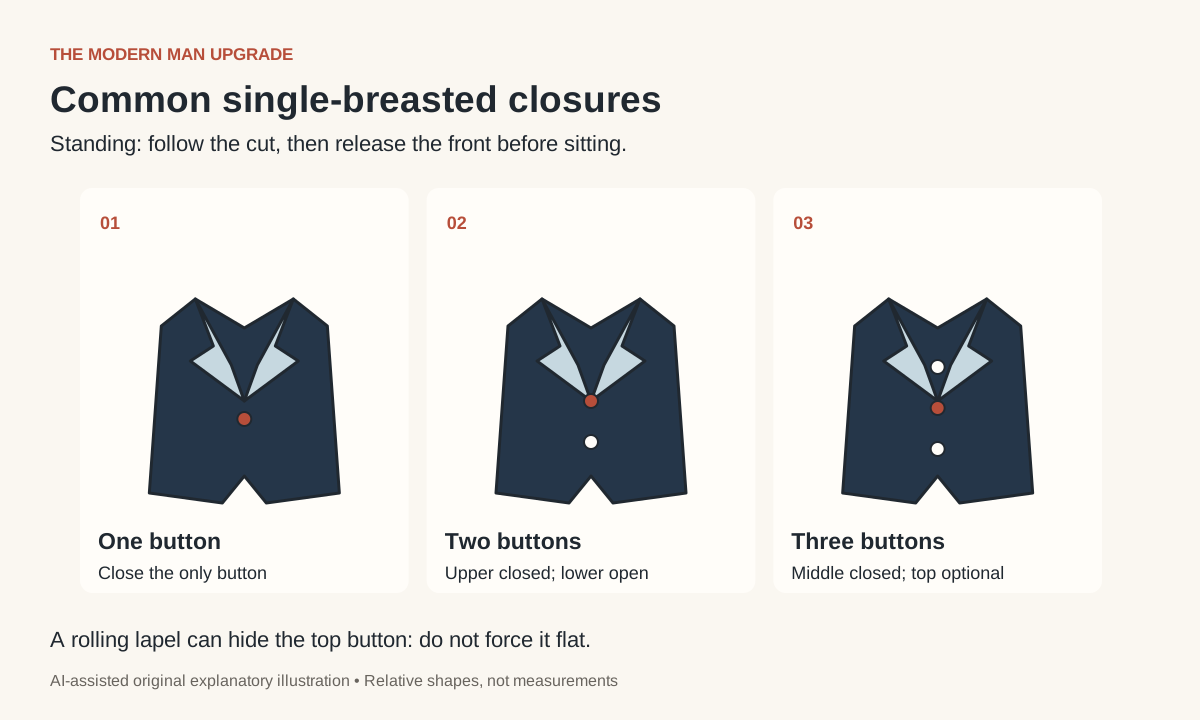
Count functional buttons and look at the lapel
A single-breasted jacket usually has one main column of front buttons and a modest overlap. A double-breasted front has a wider overlap and paired rows, some of which may be decorative. Find the corresponding buttonholes rather than assuming every visible button should be fastened.
These conventions describe tailored suit jackets and many blazers. They are not blanket instructions for a coat, work jacket, waistcoat or unusual fashion design. Start with the garment's construction and any maker guidance. The jacket comparison helps identify what you have.
Use the conventional single-breasted sequence
- One button: fasten that button when you want the jacket closed while standing. Do not interpret never the bottom as leaving the sole closure unused.
- Two buttons: fasten the upper and leave the lower open.
- True three buttons: the middle is the main closure; the top may be closed if the cut and lapel permit it; leave the lowest open.
Art of Manliness' suit-button tutorial explains the conventional layouts. Treat them as instructions for the intended front drape, not a story about personal worth or an unverified historical origin. The garment should close naturally without distorting its shape.
Fasten while standing normally, then look at the lapel and lower front. Do not suck in your stomach or pull the jacket down for the closure. If the button strains or the lapels lift sharply, check fit. Correct button choice cannot supply missing room through the chest or waist.
Recognize a three-roll-two jacket
A three-roll-two has three front buttons, but the lapel rolls down toward the middle closure. Its top button may sit within that roll. Close the middle and allow the lapel to keep its natural curve; do not force the top closed merely because three buttons are visible.
The three-button explanation specifically distinguishes a flat upper lapel from one that rolls over the top button. If you are unsure which construction you own, ask the maker or tailor before pressing the lapel into a different shape.
For a practical check, hang the jacket properly and look at the way the lapel settles, then put it on and close the middle. Compare that result with the product photos for the exact model. A pressed crease caused by storage is not always the intended roll.
Double-breasted jackets have different layouts
Find the internal anchor button and the external working closure. On a common six-button, two-to-button arrangement, the upper working outside button closes with the anchor supporting the overlap; the lower outside button is commonly left open. Other layouts, including lower-fastening cuts, can use a different button.
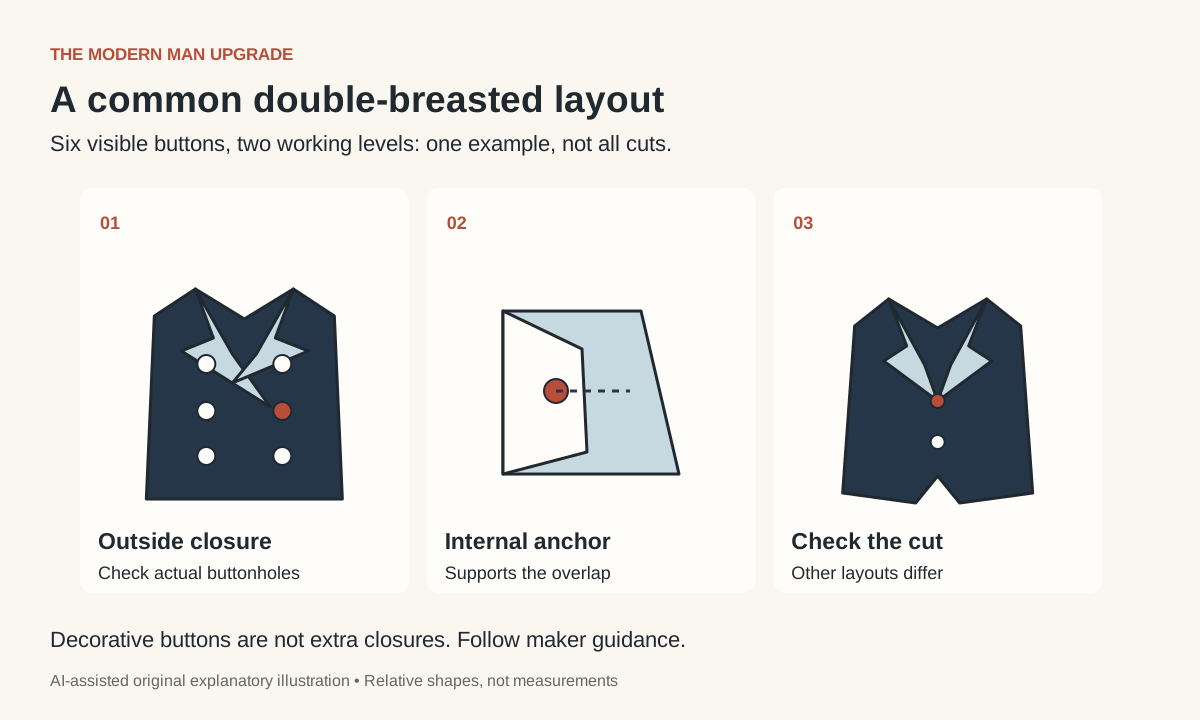
Black Lapel's double-breasted guide illustrates common closures and the internal anchor. Its advice describes those cuts. Avoid extending a two-button single-breasted rule to a different overlap just because the jacket has two rows.
A double-breasted jacket is often kept closed while sitting when the cut permits comfortable movement. Comfort and the actual fastening arrangement matter: do not keep tension on a straining button merely to follow a conventional photograph. A tailor can help evaluate the intended closure.
Unbutton before sitting and check recurring strain
For a single-breasted jacket, release the front before sitting, then refasten when standing if you want it closed. Practice the sequence once at home with the full outfit. That makes it easier to move naturally during a meal or interview without reaching awkwardly across the front.
If the button repeatedly pulls, compare the jacket with the fit and movement checks. If a closure is loose, have the button secured before the event. Do not use an unnecessary lower closure to hide a fit problem or to keep an overfilled pocket from moving.
Suit-button questions
Should I button a jacket for a photograph?
Use its intended standing closure if the photo is taken standing. Sit naturally with a single-breasted front released. The goal is a normal wearable shape rather than a forced pose.
Does this rule apply to sleeve buttons?
No. Cuff buttons are separate construction details and may be decorative or functional. There is no need to unfasten one to prove quality.
What if my jacket has an unusual design?
Follow its construction and ask the maker when necessary. The diagrams here describe common tailoring, not every creative cut.
Use the free Top 3 filter if a genuine jacket repair competes with other wardrobe needs. Learning the closure costs nothing; buying another suit is a separate decision.