To clean ordinary suede shoes, identify the material, let wet dirt dry, remove loose dust gently, and restore the nap with a suitable suede brush. Add a compatible cleaner only when brushing leaves a stain that needs further treatment. Suede care aims to recover the soft surface, rather than create the shine you would put on smooth leather.
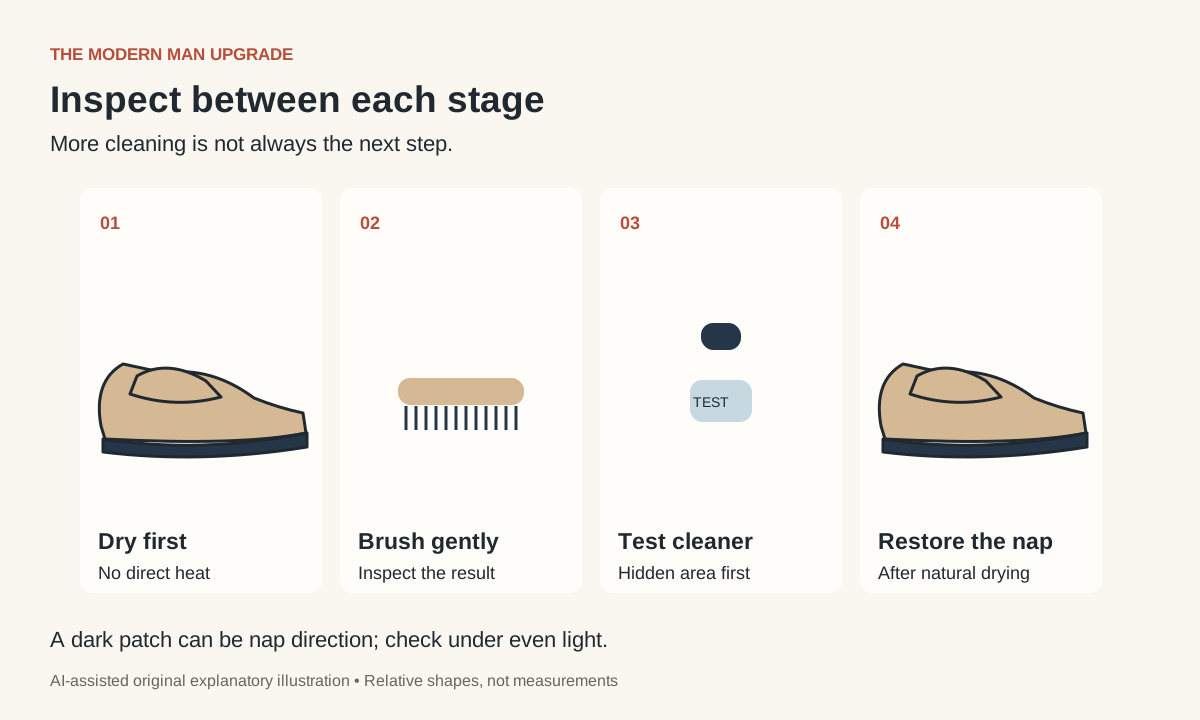
Start with dry shoes and a brush kept separate from shoe polish. Use light pressure, inspect the result, then test any suede cleaner in a concealed area before treating more. Dry naturally and brush again once dry. Follow the shoe maker and product instructions when they differ from a general routine.
Check the upper before touching the stain
A fuzzy finish does not identify every material. Check the product description or care information for suede, nubuck, synthetic suede, or a coated finish. Mixed-material trainers also need care around glue, fabric panels and contrasting dyes. If you cannot establish the material, ask the manufacturer before applying a liquid.
Keep smooth-leather cream and wax away from a suede upper unless the maker specifically instructs otherwise. The leather-polishing guide handles that different task. A procedure that makes calf leather glossy can leave a suede surface with an unwanted change in texture or color.
Set out a small kit and a clean work area
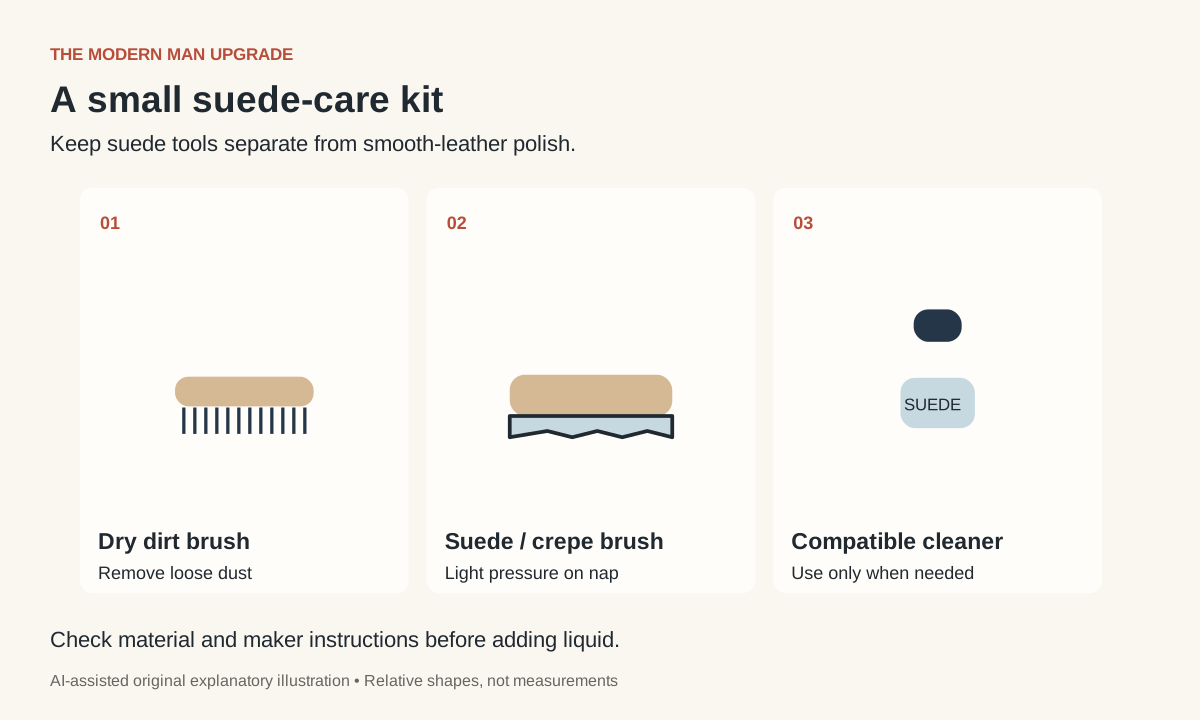
You need a dedicated dirt brush, a suitable suede or crepe brush, a pale clean cloth, and the shoe's care instructions. A suede cleaner is optional for an actual stain. Check the brush on a less visible area first, especially on a fine or delicate nap. A stiff tool and forceful scrubbing are poor substitutes for identifying the mark.
Crockett & Jones' suede-care instructions separate dirt removal from nap restoration and caution against excessive pressure. Their specific cleaner and spray directions apply to those products. Treat this guide as a beginner routine, not a reason to copy advanced flame or steam techniques.
A repeatable dry-first cleaning sequence
- Prepare. Remove laces if they block access. Support the shoe without stretching it. Photograph a difficult mark so you can judge whether treatment helps.
- Wait for wet dirt to dry. Set the shoes in a ventilated place away from a heater. Do not try to grind damp mud into the nap.
- Brush off loose dirt. Work gently across the affected area. Remove debris from the brush so it does not return to the shoe.
- Restore the nap. Use the suitable suede brush lightly, checking the surface as you go. Finish in a consistent direction where that suits the material.
- Inspect in even light. Rotate the shoe. Nap direction can change how the color looks, so a dark patch is not automatically a remaining stain.
Stop here if the shoes look clean. Routine maintenance does not require adding liquid at every session. For example, a dusty brown loafer may need only brushing, while a spill on pale suede is a different job. Treat those cases separately rather than using the strongest product on both.
Treat stains and wet shoes according to the cause
For a remaining stain, consult both the shoe maker and the cleaner label. Test, allow the test area to dry, and check for a color or texture change. Apply only as instructed; some cleaners require treating a broader panel to avoid a boundary, so do not assume every product is a tiny spot treatment.
Saphir's suede and nubuck guide describes its own brush and cleaner sequence. It provides a useful material-specific reference, but it does not make household vinegar, dish soap, or an unrelated leather cleaner equivalent to the named product. Avoid improvising a mixture for a valuable pair.
If shoes become wet, remove surface moisture gently, maintain their shape with appropriate support, and let them dry naturally. Wait until they are dry before judging the color or brushing the nap. A protector can be useful when approved for the upper, but follow its ventilation and testing instructions and do not treat it as permission to soak any suede shoe.
When more cleaning is the wrong next step
Pause if dye transfers, the nap becomes visibly damaged, or the mark spreads. Oil, ink, extensive salt damage, and unknown chemicals may need specialist assessment. Tell the cleaner what spilled and what you already applied. More pressure or more product can make the original diagnosis harder.
Store only after the shoes are dry, and keep the brushes separate from polishing equipment. If presentation is the immediate concern before an event, a different clean pair may be the practical solution. Use the free Top 3 filter to compare repair with other wardrobe tasks before replacing usable shoes.
Suede-cleaning questions
Can I put suede shoes in a washing machine?
Do not assume that a machine-safe trainer routine applies to suede. Use the footwear maker's instructions for the complete shoe, including its lining and sole construction. Without explicit permission, choose material-specific care.
Why does suede look darker after brushing?
Changing the direction of the nap can change the appearance. Let any moisture dry, view the shoe in consistent light, and check whether the fibers simply lie differently before adding cleaner.
How often should I clean suede shoes?
Use condition rather than a rigid calendar: brush away loose dirt when needed and treat genuine marks promptly according to the instructions. A clean shoe does not need a full chemical treatment because a month has passed.