Choose loafers by the whole shoe: its last and fit, material, sole and level of dress, then the decorative detail. Penny, tassel and bit styles are useful names, but they do not tell you whether a pair will stay on your heel or suit your office. Try slip-ons with the socks and trousers you intend to wear.
Compare a restrained penny or tassel loafer with your actual outfits. Walk, turn and use a step while wearing the intended socks. Avoid persistent heel escape or painful pressure across the instep. If one size slips and the next squeezes, try a different last or model rather than assuming every loafer needs to be broken in that way.
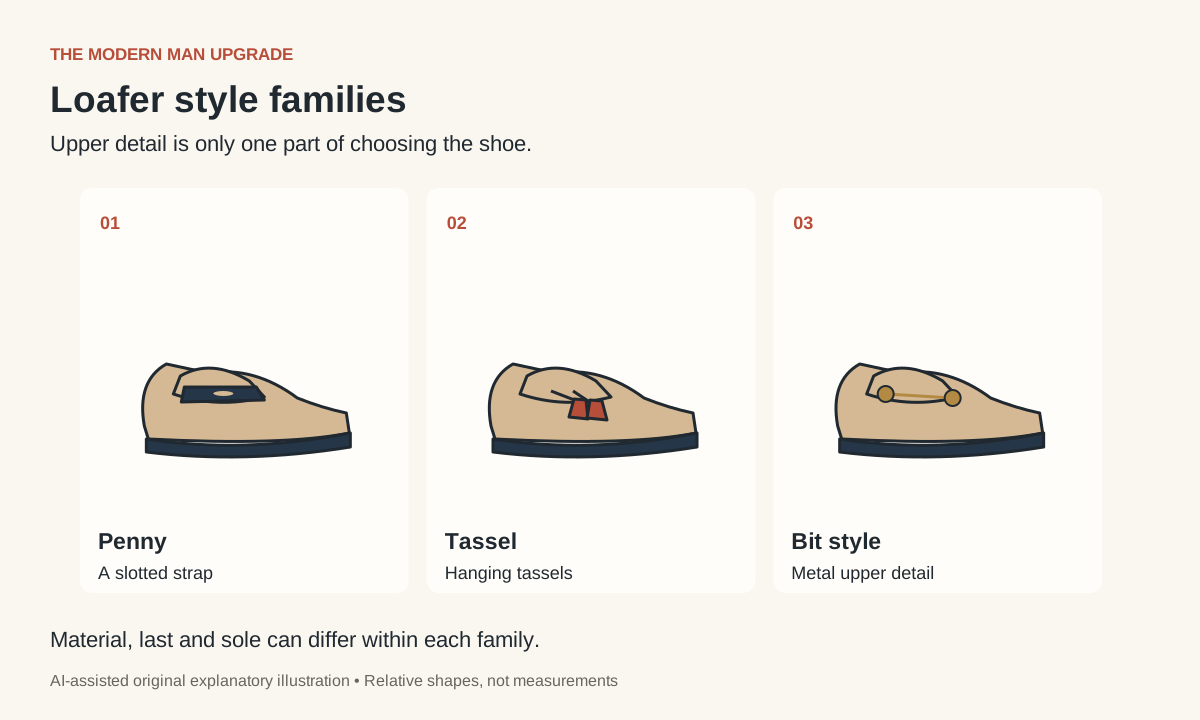
Penny, tassel and bit loafers
- Penny: a strap across the upper with a small opening or slot. It is a restrained comparison point when you want a simple slip-on.
- Tassel: hanging tassels on the upper, sometimes with additional lacing detail. Judge the whole shape rather than assuming the decoration makes it formal.
- Bit: metal hardware across the upper. The ornament changes the visual emphasis, but it does not establish comfort, quality or dress-code permission.
Crockett & Jones' loafer guide discusses penny and tassel families and differences in lined and unlined construction. It also shows why models that appear similar can use different lasts. Use the taxonomy to narrow a fitting, not to buy an unseen pair based only on the family name.
Choose the material and sole for actual use
Smooth leather and suede have different appearances and care routines. A dark smooth upper with a restrained sole can look more tailored than a soft washed-looking suede pair, but the complete shape matters. A substantial rubber sole can change the outfit's balance as much as a tassel or metal detail.
Consider walking conditions and indoor expectations. Do not assume every loafer is weather-resistant or that a thin leather sole is the practical default for a long wet commute. Check the actual specification. If the pair only works for one occasional photo, renting or using an existing acceptable shoe may solve the immediate need better.
For smooth leather, use the polishing guide; for suede, use the dry-first suede routine. Buying a finish you are willing to maintain is part of choosing a useful pair.
Test the heel, instep and toes with your socks
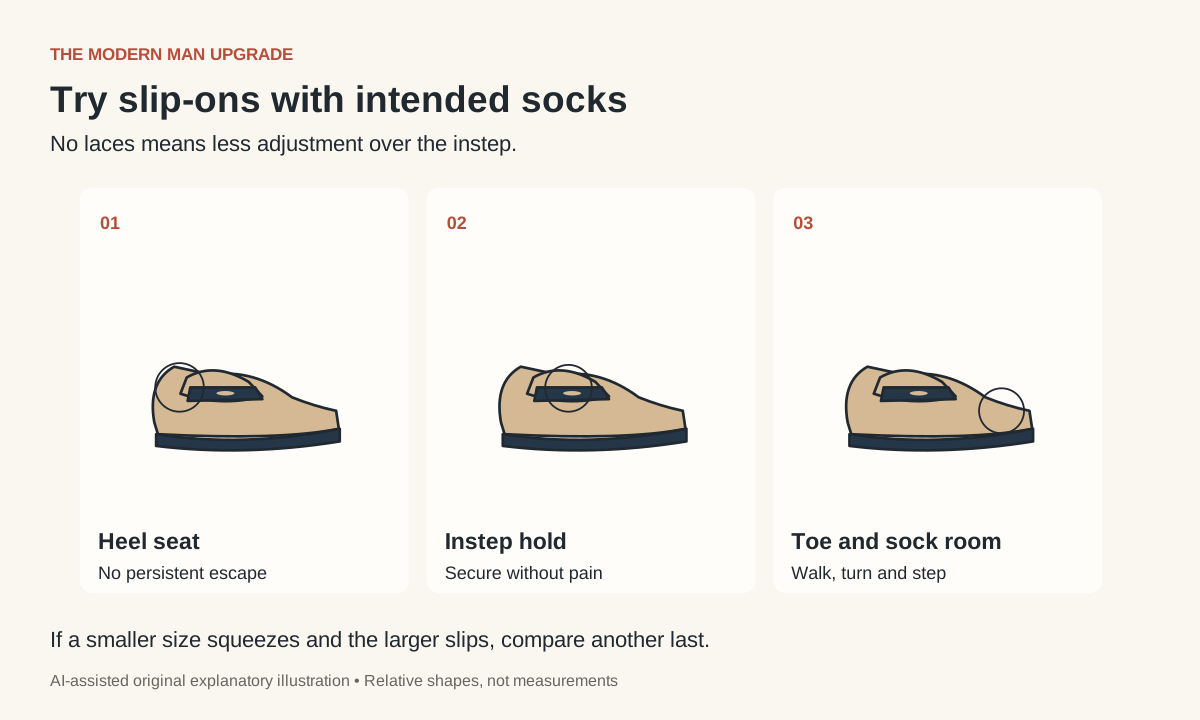
A loafer has no laces to adjust the hold across the foot. The relationship between heel, instep and the maker's last therefore deserves a careful try-on. Start with the intended socks rather than switching to thick ones only to make a loose pair stay on.
- Put on both shoes using a shoehorn if helpful, without crushing the heel.
- Stand and check toe room without curling or pressing your toes.
- Notice the instep: secure hold should not create painful pressure.
- Walk, turn and take a step. Watch for repeated heel escape or rubbing.
- Compare another size or last if the fit fails in more than one area.
Some movement can occur, and construction varies. Persistent escape is different from a small amount of motion in an otherwise secure fit. Ask the fitter about the specific shoe, but do not accept a vague promise that painful pressure or major slipping will inevitably resolve.
Choose visible socks or a no-show look deliberately
Visible socks are a practical option with tailored trousers and cooler weather. Select coverage and thickness that work with the shoe, then coordinate color with the outfit. The sock guide explains those separate choices.
For a no-show appearance, try a liner compatible with the shoe's low opening and your foot. Check that it remains in place during walking. Bare ankles are not required for loafers, and going without any sock can change comfort and the condition of the lining. Choose by actual wear, not a supposed universal rule.
Build two outfits before choosing a second pair
Relaxed example: brown suede penny loafers, stone chinos and a navy polo. Adjust the hem with the shoes on, and keep the finish consistent with the venue. The chino guide offers further combinations.
More tailored example: dark smooth loafers, grey trousers, a light shirt and a separate jacket, with socks. Confirm that the workplace or event accepts that footwear. These are editorial examples rather than permission to replace prescribed formal shoes with any loafer.
Crockett & Jones' guest styling article notes that loafers are treated differently across cultures. That is a useful reason to check your setting rather than insist that one international outfit formula applies everywhere.
Loafer questions
Should I automatically size down?
No. Follow the maker's size advice and assess the actual last. A generic size-down rule can replace slipping with painful pressure without fixing the shape mismatch.
Can loafers be worn with a suit?
Some pairs work in some tailored settings. Check the occasion, shoe design and local expectations. Strict formalwear can call for a different shoe.
Are unlined loafers always better?
No. They may feel more flexible, but lining and construction are design choices. Compare comfort, support, use and fit in the actual pair.
Use the free Top 3 filter to prioritize footwear only when it solves a confirmed outfit or comfort problem. One useful pair is more valuable than several styles you cannot wear reliably.