Wash a wool sweater by the method on its care label, with a wool-compatible detergent and gentle handling. Then support the wet knit and dry it flat unless the label explicitly permits another method. The word wool alone does not tell you whether a garment can enter a washing machine: treatment, construction, trims and the complete blend all matter.
Check the label before filling the sink. Hand-wash only means use the specified hand method; machine-wash permission means use an appropriate approved cycle. Respect dry-clean-only instructions. After washing, press out moisture without twisting, reshape gently, and lay the sweater flat away from direct heat.
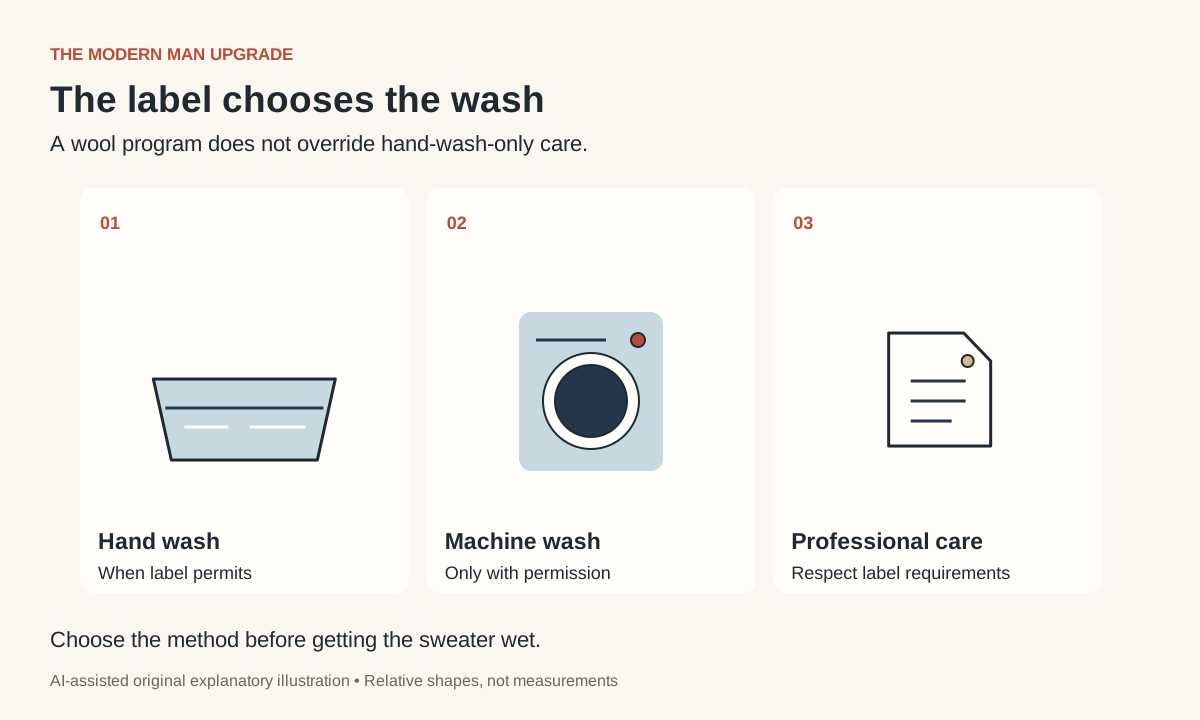
Read the label and inspect the sweater
Look for washing, drying and temperature instructions together. Check for a wool blend, lining, decorative trim, leather patches or loose stitches that could change the care method. If the label is missing, ask the maker using the product information rather than guessing from the texture.
Before washing, lay the dry sweater flat and note its normal shape. Photograph the body and sleeves or record a few garment measurements. This is a reference for gentle reshaping, not an instruction to stretch a wet knit to a new size. Repair a loose seam before laundering if handling could make it worse.
Woolmark's washing guide makes machine-wash permission on the garment's care claim the starting point. It recommends wool detergent and gives separate hand and machine routines. Those options do not make every vintage knit, blended sweater or trimmed cardigan machine washable.
Hand-wash when the label permits it
- Use a clean basin large enough to support the garment and water within the label's temperature limit.
- Add the amount of wool-compatible detergent specified for hand washing. Mix it before placing the sweater in the water.
- Submerge gently and follow the detergent's contact-time instructions. Avoid aggressive rubbing, scrubbing or twisting.
- Rinse as directed by the product. A no-rinse wool wash and an ordinary rinse-required detergent are different instructions.
- Support the entire sweater when lifting it. Press out excess water gently instead of suspending the weight from a sleeve or collar.
Keep a towel ready before you start. The awkward moment is often lifting a heavy wet sweater while looking for somewhere to put it. A prepared drying surface lets you move directly from rinsing to support without pulling the shoulders out of shape.
Machine-wash only with explicit permission
Use the garment-approved wool program and temperature, with the detergent dosage appropriate to the machine and load. Turn the garment inside out; use a suitable laundry bag if appropriate to the maker's directions. Keep it separate from abrasive hardware and loads that require a different cycle.
Check the machine settings rather than trusting a remembered program name. A delicate cycle is not permission to wash a hand-wash-only sweater. Do not add a hot drying stage after a gentle wash. Remove the sweater when the cycle finishes so you can support and reshape it while damp.
Press with a towel, then dry flat
Place the wet sweater on a clean pale towel. Fold or roll the towel around it loosely and press to absorb excess moisture; do not wring the roll. Transfer the sweater to a fresh towel or suitable flat drying mesh. Arrange the body and sleeves in their natural shape without stretching the cuffs or hem.
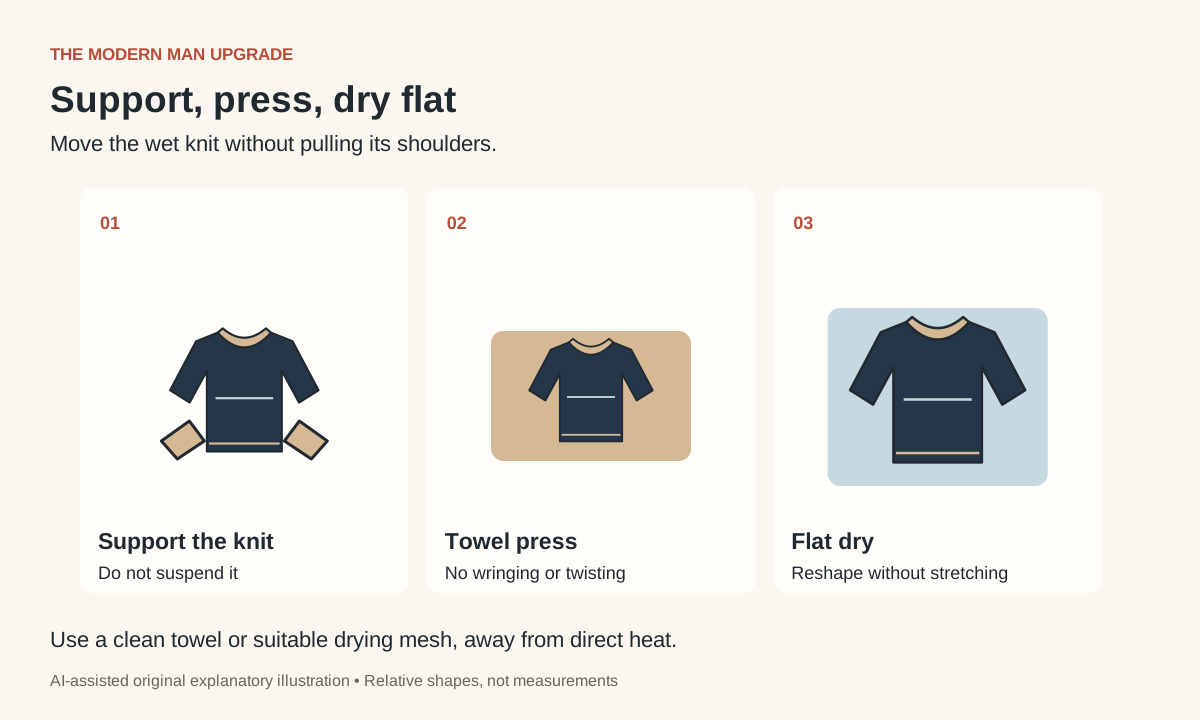
Woolmark's drying instructions recommend flat drying unless the care claim permits tumble drying. They explain that wet hanging can stretch knitwear and advise avoiding direct sunlight and heat. A radiator is therefore not a shortcut to a ready-to-wear sweater.
Allow airflow and inspect both sides. Replace a wet towel or gently turn the garment while supporting it if needed. Drying time depends on thickness and conditions, so check the knit itself instead of assuming it must be dry the next morning. Fold and store only when fully dry.
Make the next wash easier
Air a clean sweater between wears and inspect the underarms, collar and any spill before deciding to wash. A visible stain deserves compatible treatment; a set number of wears does not describe every climate or use. The general clothes-care guide helps organize different garment routines.
If a favorite knit no longer works under your jacket, check its shape against the dry reference before buying a replacement. Washing errors, fit changes and an unsuitable layering combination are different problems. The free Top 3 filter can help prioritize a repair or care task alongside other upgrades.
Wool-sweater questions
Can I fix a sweater that shrank?
There is no reliable universal recovery method. Mild distortion and severe felting are different; Woolmark notes that severely felted garments may not recover. Stop forcing the fabric and seek an experienced cleaner's assessment.
Is merino always machine washable?
No. Read the individual garment's care label. Fiber name and softness do not establish the washing treatment or construction of the finished sweater.
Can I dry it on a hanger?
Flat drying is the normal starting point for washed knitwear because the wet weight can distort it. Follow any specific drying instruction supplied with the garment.