Choose socks for the combination of shoes, trousers, and setting. A pair that works inside roomy sneakers may bunch inside dress shoes. A low sock that looks fine while standing may leave an unexpected gap when you sit. Length, thickness, and fit usually deserve attention before pattern or price.
For tailored trousers, start with thin dress socks long enough to keep the coverage you want while seated; a color close to the trousers is a quiet default. For casual shoes, use a comfortable crew or ankle sock. Use no-show socks when you deliberately want an exposed ankle, then test whether they stay in place inside that specific shoe.
What sock length should you wear?
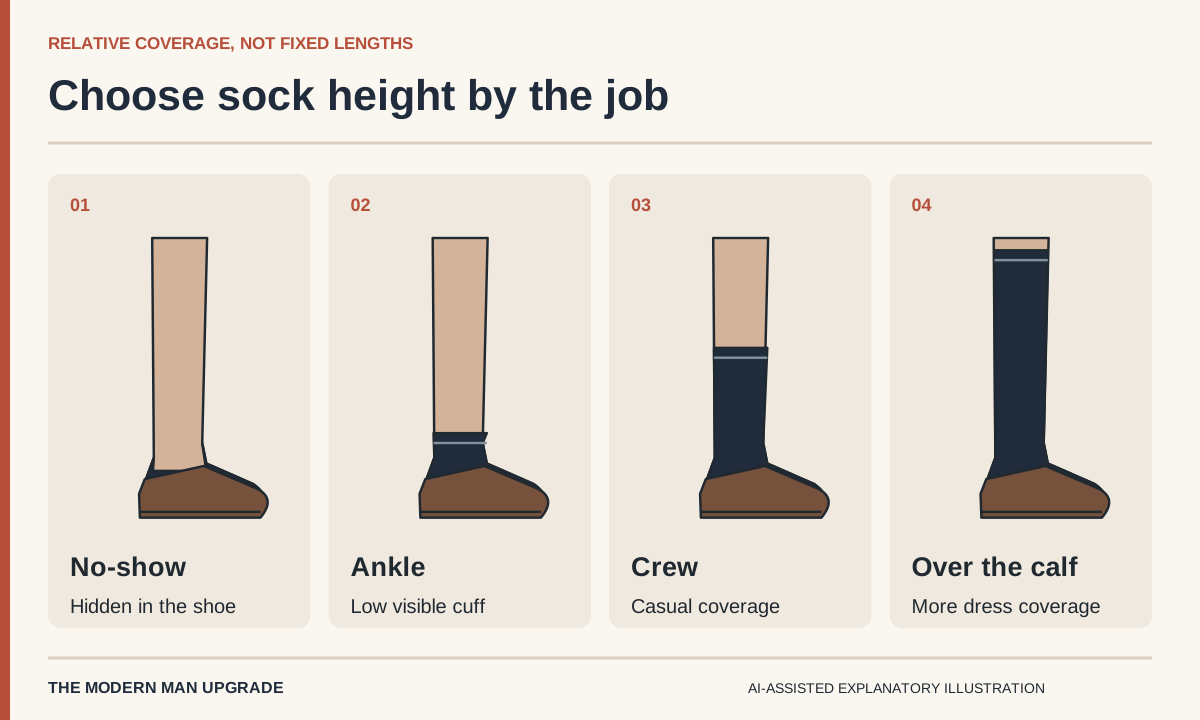
Start with where the sock needs to reach, then check the actual product. Darn Tough's height guide illustrates a range from hidden socks to over-the-calf designs, including brand-specific names. Another manufacturer may use crew or ankle differently, so a familiar label does not guarantee familiar coverage.
- No-show: intended to stay inside the shoe. Useful for a deliberate bare-ankle look with suitable loafers or low sneakers.
- Ankle or quarter: low coverage for casual or athletic footwear. Check that the cuff clears the shoe edge where needed.
- Crew: versatile casual coverage that reaches up the lower leg. Choose its thickness for the shoe.
- Mid-calf or over-the-calf dress socks: options for more coverage under tailored trousers.
Boardroom Socks' dress-length guide discusses mid-calf and over-the-calf options for traditional office clothing. That is a dresswear preference, not a rule that all visible ankle is wrong. In a formal setting, sit down in the full outfit and check the coverage rather than guessing from the package.
If a boot rubs above the sock cuff, try a taller sock before changing the footwear. If a no-show sock slips under your heel, compare its cut and size with the shoe opening. Buying a higher price tier does not automatically fix a mismatch in shape.
Should socks match trousers or shoes?
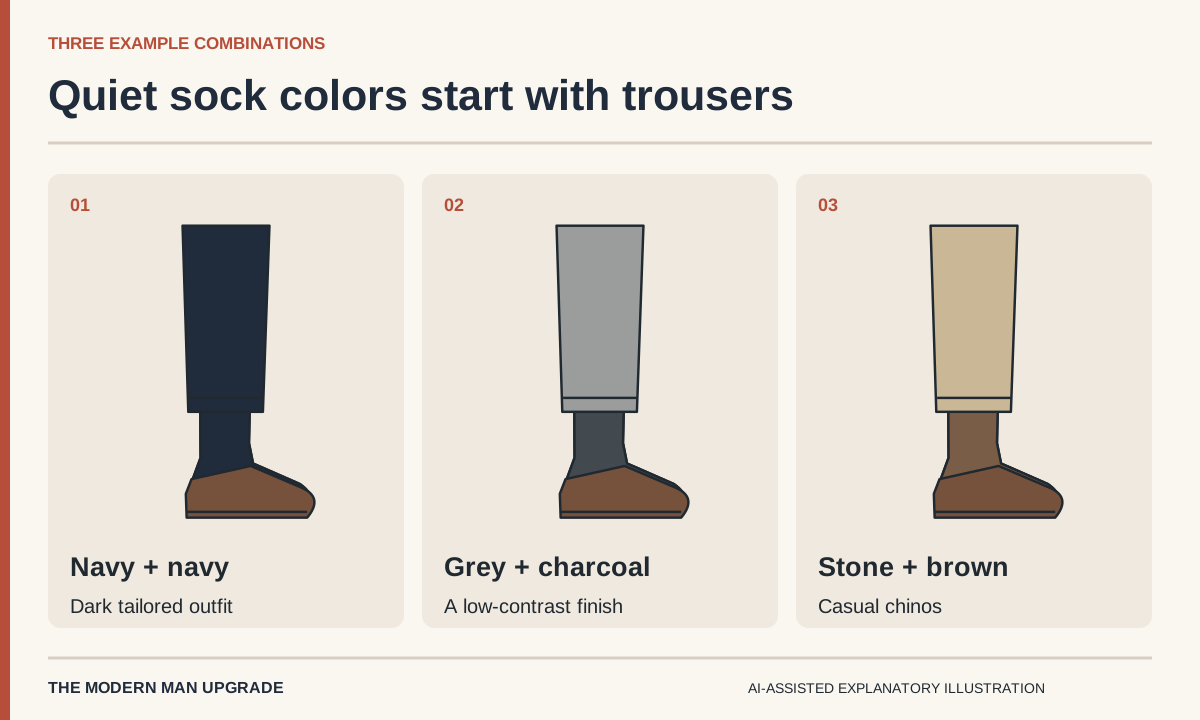
For a restrained tailored outfit, coordinate socks with the trousers first. Navy socks with navy trousers and charcoal socks with grey trousers keep the lower half visually connected. They do not need to be an exact color match. Consider the shade and how much contrast appears between the hem and shoe.
Boardroom Socks' coordination guide uses trousers as the starting point and also shows alternatives. Treat matching as a useful default rather than a ban on color. A small pattern can repeat a color elsewhere in the outfit; a bright sock can be a deliberate accent.
For a conservative interview or formal occasion, remove the sock as a competing focal point. With casual denim and sneakers, contrast can be part of the intended style. Neither approach needs a complicated color formula. If several parts of the outfit already compete, the clothing color guide helps reduce the number of accents.
White socks are a normal casual or sporting choice in many outfits. They are not the default under conventional dark tailoring. Judge the occasion and the whole combination rather than treating one color as automatically stylish or unstylish.
Check thickness, material, and fit inside the shoe
Try a sock with the shoe you intend to wear. A thicker sock changes the available space around the toes and instep; a thin sock may feel too loose in footwear fitted around cushioning. When you try new shoes, take the usual socks with you. The dress-shoe buying guide covers the wider fit decision.
- Place the heel: the shaped heel should sit at your heel instead of under the arch or high above it.
- Smooth the toes: avoid excess fabric folding over itself inside the shoe.
- Check the cuff: it should stay comfortably in place without repeated adjustment.
- Walk, then sit: look for sliding, bunching, shoe pressure, and unexpected gaps below the trouser hem.
Use the brand's size chart, especially if a range spans several shoe sizes. Fiber labels also need context: cotton, wool, and synthetic blends can be knitted in different weights with different cushioning. Choose for the climate, activity, comfort, and care instructions. No single fiber label proves that a sock will fit well or stay dry in every use.
For running, hiking, or a specialist activity, use socks suited to that task rather than a dresswear recommendation. Ordinary style advice is not a prescription for compression products or persistent foot problems.
Build a sock drawer around the week you actually have
Separate the pairs you wear into everyday casual, dresswear, and activity-specific groups. Count the days between washes and keep enough usable pairs for that cycle, with a small allowance for delays. There is no useful universal count for someone wearing a suit twice a month and someone wearing one every weekday.
Before buying a multipack, test one pair if possible. Wear it in the intended shoe, wash it according to its label, and check whether the fit remains usable. Then repeat the successful option. Clear out holes, failed elastic, and pairs that always slip rather than keeping them as a permanent backup.
Wash socks after wearing them and follow the product care instructions. The clothes-care guide covers laundry and storage; a simple pairing routine helps you notice missing or damaged socks before the day you need them. If you are rebuilding a drawer, the wardrobe audit keeps the purchase focused on real gaps.
Men's sock questions
Are no-show socks the same as ankle socks?
No. No-show socks aim to disappear inside the shoe; ankle socks usually remain visible. Different cuts can expose different amounts in the same shoe, so check the combination rather than the name alone.
Are over-the-calf socks necessary with a suit?
They are one way to maintain coverage when seated. A comfortable mid-calf pair may also work. Test both with your trouser length and choose the version that stays comfortably in place.
Should I buy new socks to improve an outfit?
Only if length, condition, color, or fit creates a specific problem. A clean compatible pair you already own may do the job. Use the free Top 3 filter to compare a confirmed gap with other upgrades.
Source and scope: Darn Tough and Boardroom Socks were checked on September 30, 2026. Their guides describe their products and styling preferences. The outfit examples and drawer checklist are editorial suggestions; no brands have paid for placement here.