Trouser break is the fold created where the hem meets the shoe. Choose it with the trousers sitting at their normal waist position and the intended shoes on your feet. A clean hem with little or no break is one option; a fuller drape is another. Neither works reliably if the waistband slips or the leg catches on the calf.
For a restrained tailored outfit, compare a slight break with no break before committing. Ask a tailor to pin both options with your actual shoes, then stand, walk and sit. Decide by the finished shape and use case, rather than treating an inseam number as the correct length for every pair.
What actually creates a trouser break?
Length contributes, but so do leg opening, taper, shoe height and the way the fabric falls. A narrow opening can catch higher on the shoe; a wider hem may fall around it. Loafers, boots and lace-up shoes present different surfaces, so one pair of trousers can appear different with each.
Proper Cloth's break guide describes the relationship between length, lower-leg taper and footwear. Its examples use traditional dress shoes and note that loafers change the interaction. Use the names to describe a result, not to impose a universal measurement on another shoe or silhouette.
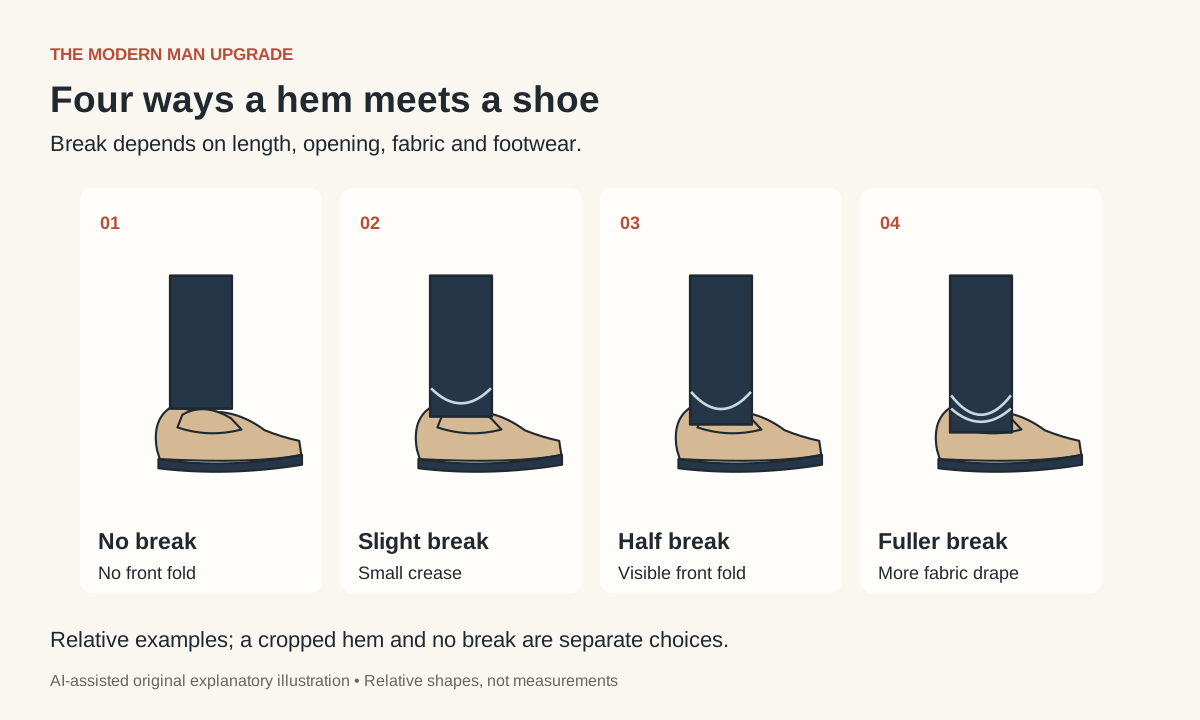
Compare no, slight, half and full break
- No break: the trouser line ends without a visible front fold. Depending on the hem and shoes, some sock may show. A cropped hem above the shoe is a further choice, not automatically the same thing.
- Slight break: a small front crease where the fabric touches the shoe. It gives a useful comparison point when you want a clean line without an obviously cropped result.
- Half break: a more visible front fold. Check that it reads as one deliberate bend rather than several layers of excess fabric.
- Full break: a fuller fold and longer drape. It can suit a wider traditional silhouette, provided the hem clears the ground and does not trap the shoe.
Retailers may use these names differently. Bring a reference image if a verbal label leaves uncertainty. You can prefer a fuller break without being out of date, or no break without needing a very tight trouser. The complete silhouette determines whether the choice looks intentional.
Set the waist and leg shape before pinning
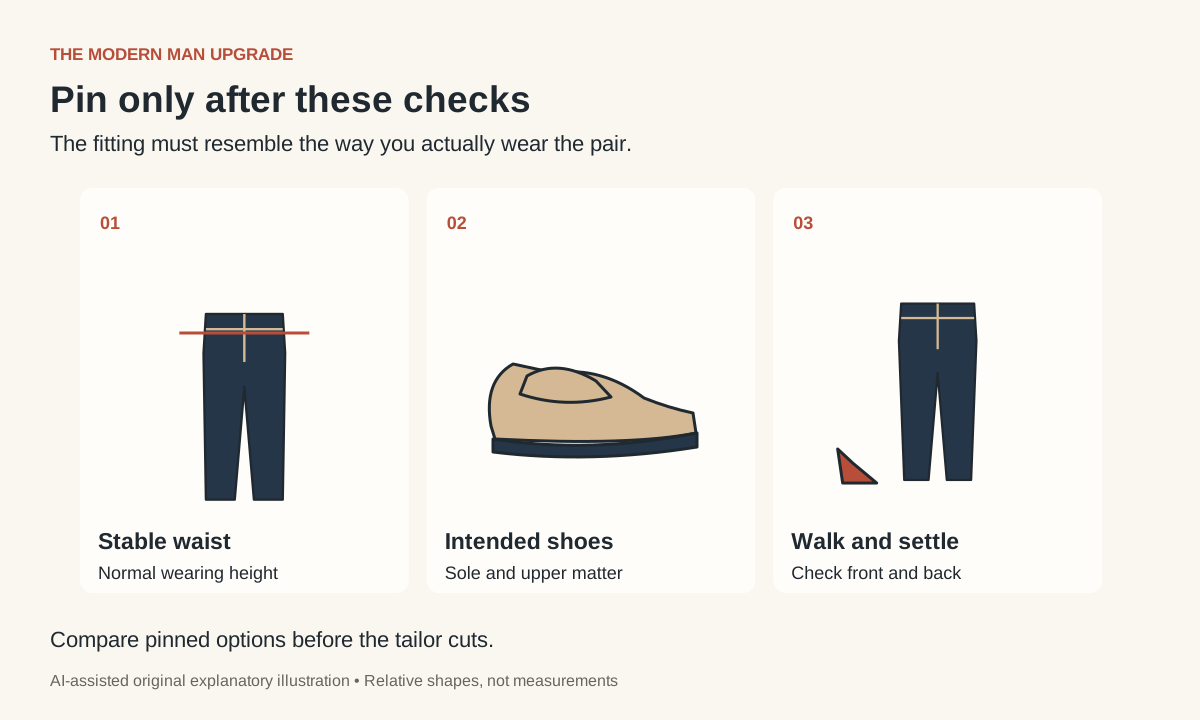
Put on your ordinary belt if you use one and settle the trousers where you actually wear them. A temporary high waistband makes the hem look shorter than it will be during the day. Then inspect the seat, thigh and calf: shortening a leg will not necessarily fix fabric caught by a too-narrow cut.
Proper Cloth's casual-pant evaluation also emphasizes using the intended shoes and waist position. For the other structural checks, use the full clothing-fit guide. Decide whether the cut is usable before paying to finish its length.
Compare both legs in a relaxed standing pose. Then walk several steps and let the fabric settle. Avoid pulling the trousers down for the photograph or pointing a foot to hide a fold. The fitting should resemble the way you will stand at work or an event.
Give the tailor a specific request
Try: I want to compare a slight break and a clean no-break finish with these shoes. Please pin the length before cutting and check the back hem as well. That is clearer than asking for fashionable trousers. Show a reference that uses a similar leg shape, not just a hem you like on unrelated trousers.
Discuss whether you want a plain hem or turned-up cuff, and ask how much fabric can remain for future adjustment. Construction, existing wear and available allowance determine what is possible. Do not assume the tailor can lengthen a pair simply because shortening is straightforward.
For example, navy office trousers worn mainly with Derbies may benefit from a small break. The same person's wide casual trousers with heavier shoes might need a different finish. Keep separate garment records rather than sending one inseam instruction for the entire wardrobe.
Diagnose pooling, catching and unexpected sock exposure
If the hem pools, first check waist position and then compare a pinned shorter length. If it catches after every step, inspect the opening and calf room as well as length. If one leg looks longer, ask the tailor to assess both sides on your body rather than assuming two identical numbers will look identical.
Seeing socks when seated is normal: the hem moves as the knee bends. Choose coverage with the sock guide instead of lengthening trousers until they bunch while standing. Jeans may use cuffs or deliberate stacking; their fabric and styling deserve a separate denim fitting check.
Trouser-break questions
Is no break acceptable for a suit?
It can be, when the cut and occasion suit the cleaner finish. Compare it with a slight break and any expectations of the event. There is no single compulsory break for all suits.
Should trousers cover the entire shoe?
No universal rule requires that. Keep the hem clear of the ground and assess the shoe, leg opening and intended silhouette together.
Can I fix break by changing shoes?
Sometimes shoe height or shape changes the drape. Test the shoes you actually wear before altering. If a garment is useful with only one impractical shoe, reconsider the whole outfit.
Compare a small hem alteration with replacement in the free Top 3 filter. A specific, confirmed fit fix is easier to prioritize than buying another almost-right pair.