Choose an undershirt by what happens when you put your real shirt over it. The neckline, fabric edges and extra warmth matter more than the label on the package. A useful base layer feels comfortable, stays where you want it and gives the shirt the appearance you intended.
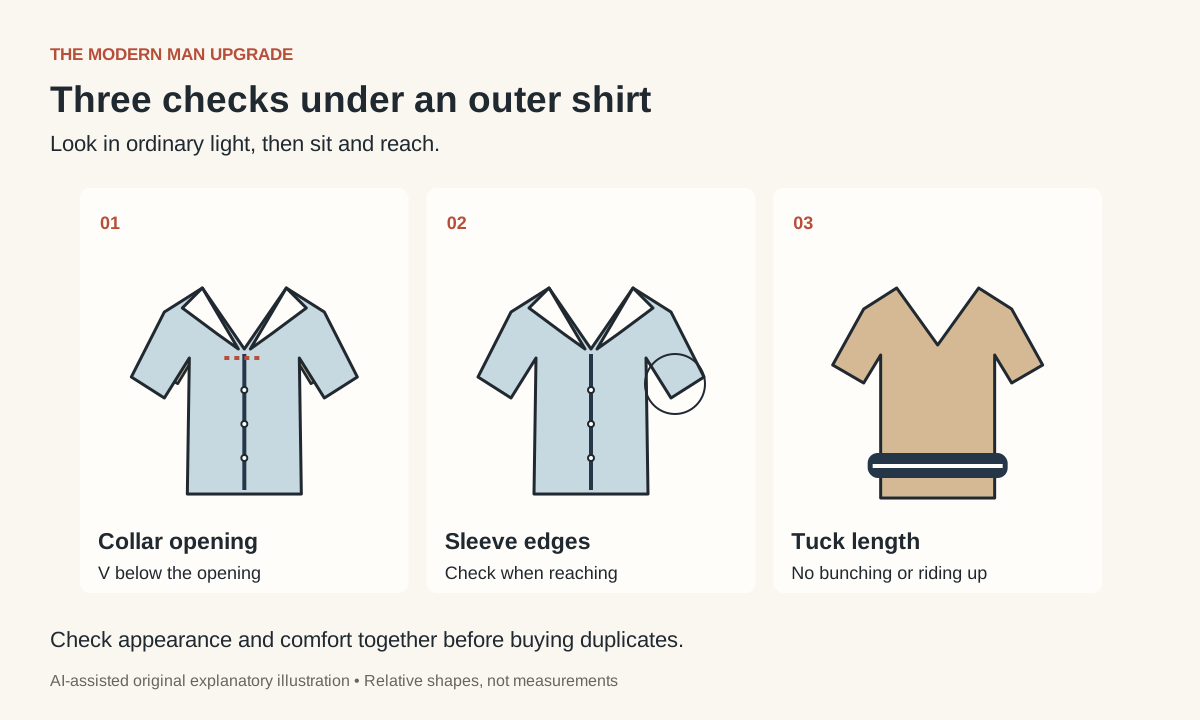
For an open collar, start by trying a V-neck that stays below the opening. For a closed collar, a crew neck may work. Check color through the shirt in ordinary daylight, then sit and reach to test sleeves and length. Wearing no undershirt is also an option when the shirt feels comfortable and provides the coverage you want.
Start with a specific reason to add a layer
Are you looking for a softer surface against your skin, extra coverage beneath a light shirt, or another layer for a cool room? Write down the problem before choosing a style. If you cannot identify one, try your existing shirt without a base layer before buying a multipack. More fabric is not automatically more comfortable.
An undershirt and an outer T-shirt can overlap in shape, but their jobs differ. A substantial tee can be a deliberate visible layer beneath an overshirt. A concealed undershirt is judged by how little it interferes with the outer garment. Decide which appearance you want instead of treating every visible neckline as a mistake. The layering guide covers outfits where the inner layer is part of the design.
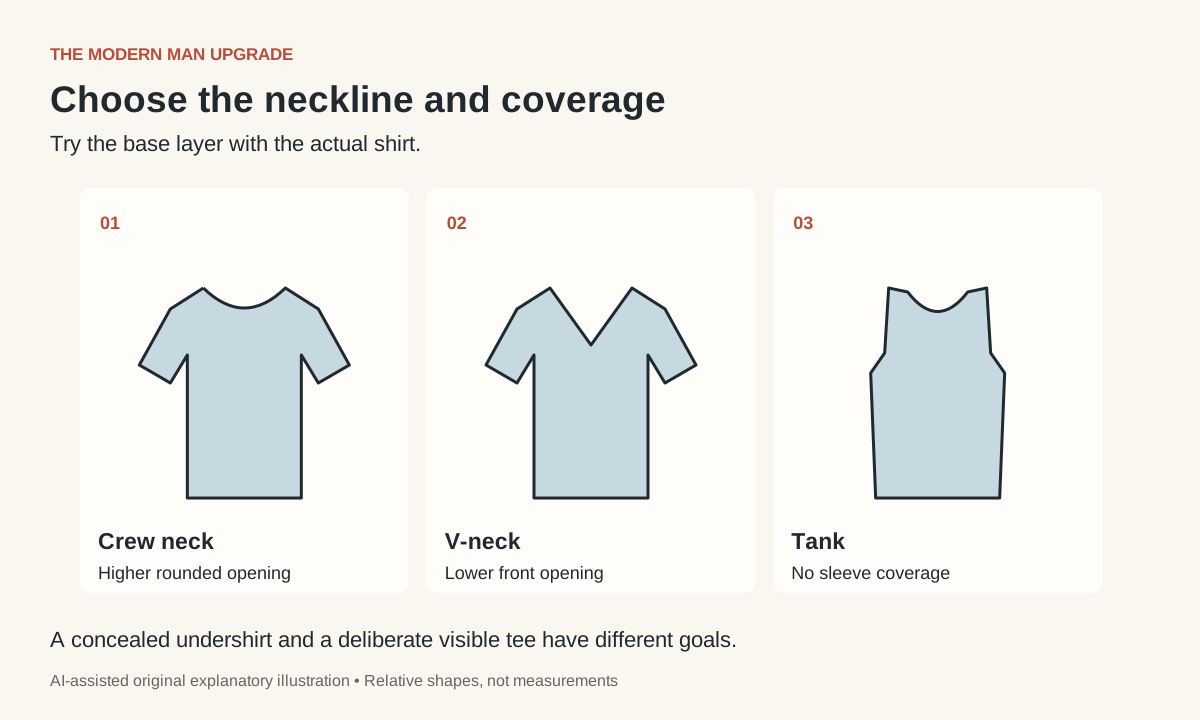
Compare crew neck, V-neck and tank coverage
- Crew neck: a higher rounded opening. Try it with a closed shirt collar, or choose it when a visible neckline is intentional.
- V-neck: a lower front opening. Different V depths work with different shirt openings; the name alone does not guarantee concealment.
- Tank: no sleeves and usually a lower opening. It leaves the underarm area uncovered, which changes the contact between skin and the outer shirt.
The Art of Manliness undershirt guide explains these structural differences. Use the geometry rather than its judgments about who should wear particular styles. A visible plain tee can be a deliberate casual choice; it is not evidence of poor grooming.
Tommy John's style comparison also separates regular and deeper V openings. Its product examples illustrate a useful point: measure success against your shirt, not an assumed number of open buttons. Brand marketing does not establish that everyone needs an undershirt.
Test color through the outer shirt
Do not assume white will disappear beneath every white shirt. The contrast between the base layer, your skin and the outer fabric affects what you see. Compare the options you already own under the same shirt, in the same light. Start with an unprinted option so a logo does not complicate the comparison.
- Put on the shirt and fasten it as you normally would.
- Check the chest and shoulders in daylight, then in your usual indoor lighting.
- Look for the neckline outline, sleeve ends and a strongly contrasting torso panel.
- Turn sideways and bend your arms. Seams can become more obvious when fabric stretches.
- Choose the combination that gives the coverage and appearance you want.
This is a comparison routine, not a promise that one color works for every skin tone or shirt weave. A phone photo can help compare two combinations, but automatic exposure can change the result. Keep the camera position and lighting consistent, and also look directly in a mirror.
Check sleeves, length and movement together
The base layer should not force the outer shirt to stretch or create a rolled ridge beneath it. Check the chest, underarms and shoulders for comfortable movement. A close fit can be useful underneath another garment, but compression is not a requirement. If breathing, reaching or sitting feels restricted, change the size or cut.
For a tucked outfit, try enough length to remain tucked during your normal movements. Excess length can bunch at the waistband, so longer is not always better. Put both layers on, tuck them as intended, sit down and reach forward. If the undershirt repeatedly rides up, compare a different length or body shape rather than tightening your belt.
With short outer sleeves, check that the inner sleeve stays covered when you lift an arm. If you intentionally want the sleeve to show, make that part of the outfit. The clothing fit guide explains how to evaluate the outer garment separately, and the shirt-tucking guide helps diagnose waistband bunching.
Choose fabric by comfort and care requirements
Read the fiber composition and washing label. Feel the seams and collar edge, then assess the complete outfit in the conditions where you plan to wear it. A layer that feels fine in a cool fitting room may be unwelcome on a warm commute. Material names alone do not settle thickness, softness or drying time.
Claims such as sweatproof, cooling or odor control describe particular products and need their own evidence. An ordinary undershirt does not guarantee a dry outer shirt. If the main problem is heat, compare a lighter combination or remove an unnecessary layer before assuming a specialized purchase is the solution.
Buy one trial piece before replacing the drawer
Try one suitable piece through normal wear and a label-approved wash. Recheck the neckline, length and outer-shirt appearance afterwards. Then decide whether duplicates are useful. Keep a simple note such as “works under blue office shirt, too visible under thin white shirt” so you buy for real combinations.
Wash a worn base layer according to its label, and inspect it for stretched edges or seams that no longer lie comfortably. The outer shirt still needs its own care routine; see how to wash dress shirts. A base layer is not a substitute for cleaning an outer garment when it needs it.
Undershirt questions
Is wearing an undershirt mandatory?
No. Choose it when it improves comfort, coverage or the outfit. A comfortable, sufficiently opaque shirt can work by itself.
Can I use a regular T-shirt?
Yes, if its thickness, length and neckline work under the outer shirt. Try the two together; an oversized tee can create unwanted bulk.
Should the neckline always be hidden?
Only if concealment is your goal. Deliberate visible layering is another valid approach, especially with an open overshirt.
Use the free Top 3 filter if you need to decide whether this small wardrobe change deserves attention ahead of a more noticeable fit or care problem.