Wear Chelsea boots by matching the boot shape to the trousers and checking the fit with your usual socks. The important visual junction is the hem and the top of the boot: it should settle deliberately, rather than catch on the shaft every time you move.
Start with a pair that holds the foot comfortably without persistent heel escape or painful instep pressure. Try the intended trousers over the boot shaft. Choose a clean overlap or a deliberate crop, then walk and let the hem settle. Build an outfit around the actual upper, sole and venue instead of assuming all Chelsea boots are dress shoes.
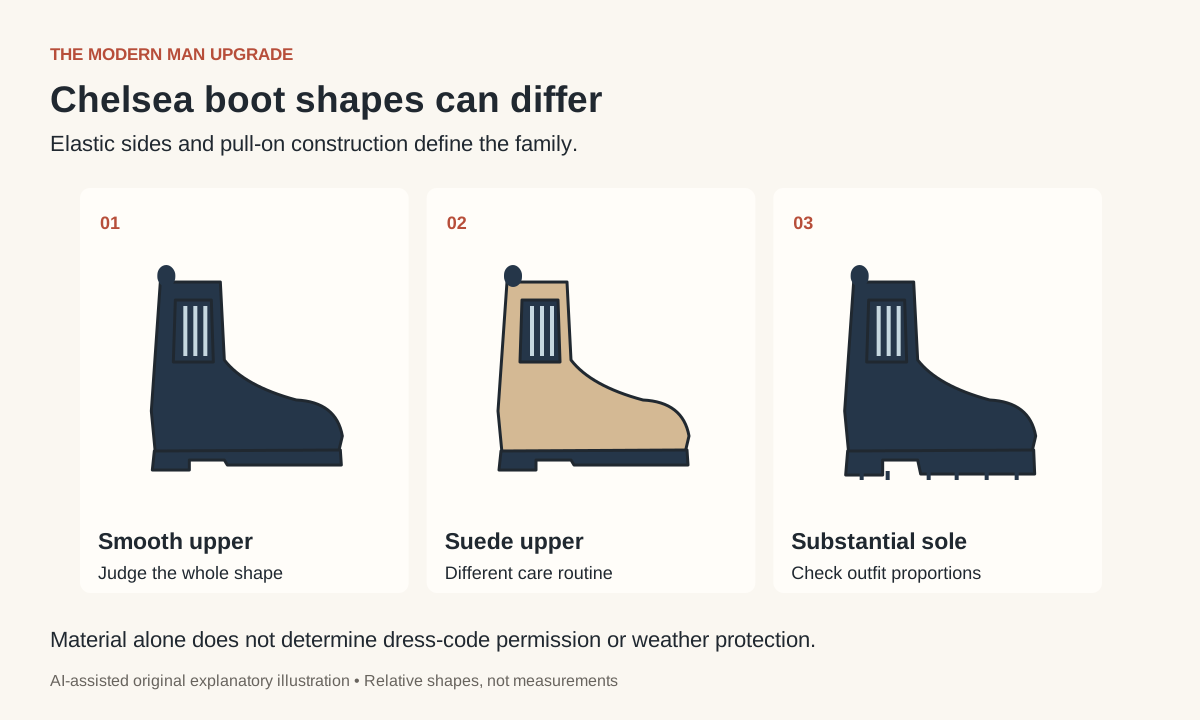
Identify the shape before assigning a dress code
A Chelsea boot is an ankle boot with elastic side panels and pull-on construction. Within that family, rounded or more tapered toes, different heel shapes and substantial or restrained soles create very different results. Compare the whole pair, including the side profile, rather than shopping only by the name.
Clarks' Chelsea styling guide emphasizes proportions and the way the trouser hem meets the shaft. Its smooth-leather and suede examples are useful starting points, but neither material automatically grants permission for a workplace or formal event.
For a first useful pair, identify two outfits and the activities it needs to handle. A sleek black boot for occasional dinners and a substantial casual boot for everyday walking solve different problems. Check the sole specification, weather limitations and care instructions of the actual model. An elastic panel is not evidence that the boot is waterproof.
Try the boots with the intended socks
A pull-on boot has less adjustment across the foot than a lace-up. Test both boots with the socks you plan to wear, then follow the maker's sizing guidance for that model. R.M.Williams' Turnout measuring guide specifically uses the intended socks and checks both feet; its size chart belongs to that product, not every Chelsea boot.
- Put both boots on without crushing the heel counter.
- Stand normally and check that your toes are not compressed.
- Notice the hold across the instep and around the heel.
- Walk, turn and take a step on a clean surface allowed by the shop.
- Compare a different size or last if one area slips while another feels squeezed.
Some movement can occur, depending on construction. Repeated heel escape, painful pressure or rubbing deserve a different fitting, not an automatic promise that breaking in will fix everything. Do not switch to unusually thick socks simply to disguise a loose pair if those are not the socks you will actually use.
The dress-shoe buying guide gives a broader purchase checklist. For this boot, also check how easily you can put it on and remove it; a pair that makes the everyday routine unpleasant may not be the right model.
Match the trouser opening to the boot shaft
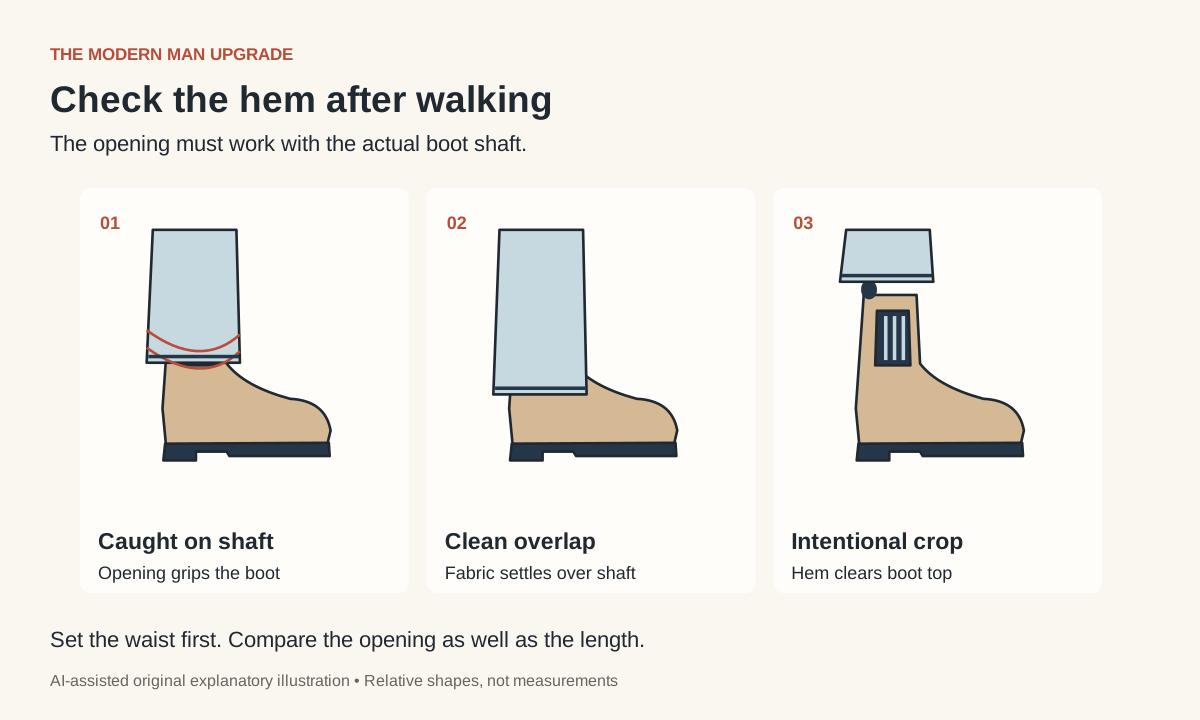
Set the waistband at its normal wearing height before assessing the hem. Put on the boots, stand naturally and inspect the front, side and back. Then walk, sit and stand again. The second view matters: fabric can rise during movement and remain caught above the shaft.
- Clean overlap: the opening falls over the shaft without repeatedly catching or producing a pile of folds.
- Intentional crop: the hem ends above the boot in a way you chose. Check sock coverage and the whole outfit.
- Caught hem: the opening grips the shaft and stays bunched after movement. Compare a roomier lower leg or another boot shape.
The fix may be the opening, not just the length. Shortening a very narrow pair does not necessarily make it fall over the boot. Before altering trousers, pin a proposed length with the boots on and ask the tailor to check the full interaction. See the trouser-break guide for a related fitting conversation.
Build three outfits from clothes you own
Weekend denim: brown suede Chelsea boots, straight dark jeans, a plain tee and an overshirt. Check the jeans' lower-leg opening; the fit label does not tell you whether this specific pair clears the shaft. Keep any cuff simple and assess it after walking. The jeans fit guide separates waist, rise and leg shape.
Chinos and a knit: dark smooth boots, stone chinos and a navy sweater. Start with the chinos at their normal waist height, then set a clean hem. This is an editorial outfit example for an appropriate casual or relaxed workplace, not a universal office uniform. The chino guide offers additional combinations.
Evening separates: restrained black boots, charcoal trousers, a light shirt and a separate jacket. Check the venue's expectations before substituting boots for a specified formal shoe. If the sole is bulky, compare the proportions with the actual trouser opening and jacket rather than assuming black makes everything equally dressy.
Try these with existing clothes before buying another pair. A useful boot should solve a repeatable outfit or comfort need. If every combination requires replacing the trousers as well, revisit the boot shape before committing to a larger wardrobe change.
Care for the actual upper
Use material-compatible care and the maker's instructions. Keep smooth-leather polish away from suede. The existing leather polishing guide and suede cleaning guide cover those different routines. Elastic panels and soles can have their own limitations, so do not treat the entire boot as one leather surface.
Chelsea boot questions
Should I automatically size down?
No. Follow the model's chart and assess the real fit. A generic rule can replace slipping with pressure without correcting the shape mismatch.
Do Chelsea boots require skinny jeans?
No. Straight, tapered and roomier cuts can work. The lower-leg opening must behave the way you want around the shaft.
Can I wear them with a suit?
Some restrained pairs suit some tailored settings. Confirm the event expectations and try the complete outfit; strict dress codes can require different footwear.
Use the free Top 3 filter to decide whether a boot purchase addresses a real gap or whether adjusting an existing outfit would help more.